

Retirement is often envisioned as a time of leisure, travel, and well-earned relaxation. After decades of early mornings, long workweeks, and constant saving, reaching the finish line of your professional career is a monumental achievement. However, shifting from the phase of accumulating wealth to spending it requires a fundamental transition in how you manage your money. Many retirees focus heavily on the milestone of the retirement date itself, yet fail to fully anticipate the evolving expenses that emerge in the decades that follow. A successful strategy requires anticipating new costs, adjusting to a fixed income, and protecting your assets against unexpected life changes.
To maintain your standard of living and ensure lasting peace of mind, you must look beyond basic daily living expenses. Financial stability after work involves a comprehensive approach that accounts for housing adaptations, escalating health needs, long-term care, and the transfer of your legacy. By taking proactive steps early in your post-work years, you can prevent sudden financial stress from undermining your freedom and independence. Understanding these potential obligations allows you to construct a resilient long-term strategy that safeguards your savings for the rest of your life.
Navigating Healthcare and Medical Costs

Healthcare represents one of the largest and most unpredictable categories of expenditure during your later years. While many individuals assume government programs like Medicare will cover every medical requirement, the reality is that out-of-pocket costs can quickly accumulate. Deductibles, copayments, prescription medications, and dental or vision care can easily create a substantial drain on your liquid savings if you do not budget for them in advance.
Building a Dedicated Health Savings Strategy
To cushion the impact of rising medical expenses, it is wise to establish a dedicated liquid fund specifically allocated for out-of-pocket health costs. Maintaining a secondary high-yield savings account or continuing to utilize health savings balances accumulated during your working years can help cover unexpected co-pays and non-covered therapies without disrupting your general living budget. Additionally, reviewing your supplemental insurance choices annually during open enrollment periods ensures that your coverage evolves alongside your changing health profile.
Managing Immediate and Emergency Medical Expenses
Routine doctor visits are relatively easy to budget, but sudden illnesses or minor injuries require immediate attention that can carry steep price tags. When non-life-threatening medical issues arise outside of regular office hours, visiting an urgent care center can provide prompt treatment at a fraction of the cost of an emergency room visit. Incorporating these walk-in medical facilities into your overall healthcare plan allows you to address non-emergency health issues promptly while preserving your financial reserves.
Planning for Specialty Treatments and Wellness
Beyond standard doctor visits, long-term wellness often requires specialized medical services that fall outside conventional coverage. From physical therapy and specialized chiropractic care to advanced diagnostic screenings, budgeting for preventive care helps maintain mobility and vital health longer. Investing in proactive health measures today can dramatically lower the likelihood of requiring expensive, intensive interventions down the road.
Modifying Your Living Space for Longevity

As you age, your home should adapt to your physical needs so that you can remain comfortable, safe, and independent. Aging in place has become the preferred choice for a vast majority of seniors, but older homes often feature physical barriers like steep staircases, narrow doorways, and high-step bathtubs. Retrofitting your primary residence requires capital investment, but making these adjustments early can prevent costly accidents and avoid the immediate need for residential care facilities.
Investing in Accessibility Modifications
Updating your home to accommodate changing mobility levels is a critical component of long-term housing planning. Simple adjustments, such as installing grab bars in bathrooms, widening doorways, or fitting entryway wheelchair ramps, allow you to navigate your home safely without relying on constant external assistance. Funding these functional improvements early ensures that your living space remains secure and accessible, reducing the risk of fall-related injuries that could result in massive hospital bills.
Choosing the Right Contractors for Home Updates
Executing structural modifications efficiently requires finding trustworthy professionals who understand accessibility standards. Working with qualified local home remodelers ensures that updates to your kitchen, bathroom, or entryways are built safely and in compliance with local regulations. Getting multiple estimates, checking credentials, and hiring reputable home renovation companies will help you complete necessary structural changes on budget while avoiding costly mistakes or poor construction quality.
Delegating Maintenance and Asset Protection
If you own rental properties or multiple homes to supplement your retirement cash flow, managing physical repairs and tenant requests can become physically and mentally exhausting over time. Hiring professional property management services enables you to maintain a steady stream of passive income without the stress of daily upkeep, emergency repairs, or lease enforcement. Outsourcing these tasks protects the value of your real estate investments while granting you the freedom to enjoy your free time.
Structuring Long-Term Assistance and Personal Care
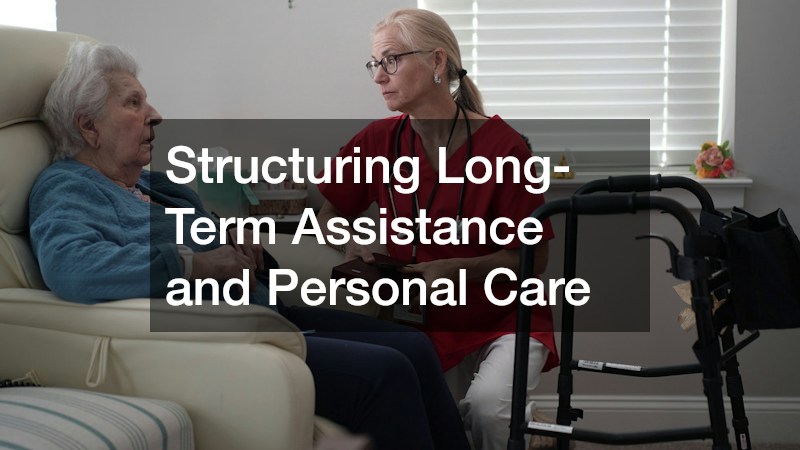
At some point, maintaining complete independence may become challenging due to physical limitations or cognitive decline. Preparing for the financial reality of long-term care is one of the most vital aspects of late-life financial management. Long-term care costs continue to rise rapidly, and failing to plan for these services can swiftly exhaust a lifetime of savings.
Evaluating In-Home Support Options
Many individuals prefer to receive help in the comfort of their existing residence rather than moving into an assisted living community or nursing facility. Securing high-quality senior in home care allows individuals to receive assistance with daily activities, such as meal preparation, mobility, and medication tracking, while staying in familiar surroundings. Because private care expenses accumulate quickly, purchasing long-term care insurance or earmarking a portion of your portfolio specifically for personal assistance is essential to keeping these services affordable.
Balancing Facility Care with Portfolio Longevity
When around-the-clock medical supervision becomes necessary, residential care facilities offer a higher level of oversight. However, the costs associated with memory care units or skilled nursing homes can easily run into thousands of dollars each month. To avoid depleting your legacy, you should model various scenarios with your financial coordinator to understand how long your existing assets can support private care options before you need to explore public support options or alter your asset distribution strategy.
Protecting Your Legacy and Legal Directives

Preserving the wealth you have built over a lifetime requires structured legal planning. Without clear legal directives, your assets could be subjected to lengthy probate procedures, excessive taxes, and potential family disputes. Estate organization is not merely for the wealthy; it is a fundamental step for anyone who wishes to control how their assets are managed and distributed.
Drafting Essential Legal Documents
Creating a comprehensive plan involves drafting key documents such as wills, durable powers of attorney, and healthcare proxies. Consulting experienced wills attorneys ensures that your final wishes are clearly articulated and legally binding, minimizing the likelihood of legal challenges among heirs. These legal experts guide you through the process of designating trusted individuals to make financial and medical decisions on your behalf should you ever become incapacitated.
Navigating Complex Real Estate Transactions
Property is often the largest single asset in an individual’s portfolio, making its transfer a crucial element of legacy preservation. Working alongside skilled real estate lawyers helps protect your property rights, navigate complex title transfers, and establish appropriate trust ownership structures. Proper legal structuring prevents unnecessary probate delays, reduces potential tax liabilities for your beneficiaries, and ensures your real estate assets seamlessly transfer according to your explicit wishes.
Organizing Final Arrangements in Advance
Addressing your final arrangements is a compassionate step that relieves your loved ones of emotional and financial burdens during a period of grief. Researching and setting up pre-funded funeral plans allows you to lock in current prices for services, preventing price inflation from impacting your family later. Documenting your specific preferences and funding these arrangements in advance ensures that your wishes are honored without placing an unexpected financial hardship on your surviving family members.
Developing a Holistic Estate Framework
A robust legacy strategy brings together your financial assets, real estate holdings, and personal directives into a single cohesive framework. Engaging in proactive estate planning allows you to minimize tax burdens, establish trusts for minors or vulnerable dependents, and support charitable causes that align with your personal values. Regularly reviewing and updating these documents every few years ensures that your legal framework adapts to major life events, tax law changes, and shifting personal priorities.
Managing Cash Flow and Income Distribution
Transitioning from receiving a predictable paycheck to drawing down stored capital requires a mindset shift. In retirement, managing cash flow effectively becomes a primary defense against outliving your assets. You must monitor your withdrawal rate, evaluate your income streams, and maintain a clear understanding of your annual baseline expenses.
Determining a Sustainable Withdrawal Rate
One of the greatest financial risks in later life is withdrawing funds too quickly during early retirement, especially if market downturns occur shortly after you stop working. Applying a conservative withdrawal strategy, such as pulling a dynamic percentage from your investment accounts each year based on market performance, helps ensure that your principal balance remains resilient. A balanced portfolio that combines dividend-paying equities, fixed-income investments, and liquid cash reserves provides both growth potential and stability.
Maximizing Social Security and Pension Benefits
Deciding when to claim Social Security or pension payouts dramatically impacts your total lifetime income. Delaying Social Security claims beyond your full retirement age increases your monthly benefit significantly until you reach age seventy. Evaluating your health history, marital status, and overall portfolio balance helps you pinpoint the optimal age to begin receiving government benefits, creating a higher guaranteed floor of income for your later years.
Factoring Taxation into Withdrawal Strategies
Tax obligations do not disappear once you leave the workforce. Withdrawals from traditional tax-deferred accounts, such as traditional IRAs and 401(k) plans, are taxed as ordinary income, while withdrawals from Roth accounts are generally tax-free. Structuring your annual withdrawals across tax-deferred, tax-free, and taxable brokerage accounts allows you to control your tax bracket, minimize Medicare premium surcharges, and preserve more of your total wealth.
Adapting to Economic Shifts and Inflation
Inflation poses a subtle yet significant threat to long-term financial security. Over a multi-decade period, the purchasing power of a fixed income can erode substantially, making everyday goods, utilities, and services far more expensive than initially anticipated.
Maintaining Purchasing Power with Inflation-Protected Assets
To combat the gradual loss of purchasing power, your investment strategy should include assets designed to keep pace with rising prices. Treasury Inflation-Protected Securities, real estate holding investments, and equities with strong pricing power can act as effective hedges against inflation. Preserving a growth-oriented component within your portfolio helps ensure that your total capital grows fast enough to cover increasing living costs over time.
Budgeting for Variable and Lifestyle Expenses
While essential expenses like housing and groceries form the baseline of your financial plan, discretionary spending on travel, hobbies, and leisure activities often peaks during the early years of post-work life. Structuring your budget to separate fixed baseline costs from variable discretionary spending allows you to adjust your lifestyle flexibly during lean market years, protecting your core savings from unnecessary drawdowns.
Managing Debt in a Changing Rate Environment
Carrying high-interest debt into your later years can severely constrain cash flow and undermine an otherwise sound investment strategy. Prioritizing the payoff of credit cards, personal loans, or high-rate mortgages before or immediately after leaving full-time work reduces fixed monthly obligations. A debt-free foundation provides maximum flexibility to absorb rising living expenses, unexpected home repairs, or changing market conditions.
Building a Secure Path Forward
Achieving long-term stability after retiring is an ongoing journey that requires continuous monitoring, flexibility, and foresight. By preparing for healthcare costs, modifying your residence, organizing legal directives, and managing cash flow wisely, you construct a sturdy defense against the uncertainties of aging. Taking structured, deliberate steps today ensures that your golden years remain defined by independence, security, and personal fulfillment.